
Who Can Give Fall Protection Training? If you’ve been asking this question, you’re not alone—many employers, supervisors, and workers want clarity on who’s actually allowed to teach fall protection the right way.
With falls still being one of the top causes of injuries on the job, choosing the correct trainer isn’t just about checking a box for OSHA—it’s about keeping people safe.
As a safety trainer who’s spent years walking job sites, coaching crews, and stopping more than a few unsafe practices, I’ll break this down in a way that’s easy to understand and practical to apply.
Here’s the simple answer upfront:
Not just anyone can teach fall protection training—OSHA requires that it be delivered by someone who is “competent” or “qualified.”
But what does that actually mean? And who fits that role? Let’s dive in.
| Trainer Type | Allowed to Teach? | Why They Qualify |
|---|---|---|
| Competent Person | Yes | Knows hazards, can correct unsafe work, understands equipment |
| Qualified Person | Yes | Deep technical expertise, system design, advanced instruction |
| Third-Party Safety Trainer | Yes | Employ professionals trained in OSHA standards |
| Manufacturer-Certified Trainer | Yes | Expert in specific equipment use & inspection |
| In-House Trained Trainer | Yes (if competent/qualified) | Must meet OSHA definition, not just attend a class |
Training Types and Who Is Allowed to Deliver Them
| Training Type | Who Can Deliver It | Notes |
|---|---|---|
| Awareness-Level Training | Competent person, third-party, online | Theory only |
| Authorized Person Training | Competent or qualified person | Hands-on required |
| Competent Person Training | Qualified person | More advanced |
| Rescue Training | Qualified person | High technical level |
| Equipment-Specific Training | Manufacturer-certified or competent | Gear-specific expertise needed |
Read Related Article: How Often Do You Need Fall Protection Training?
OSHA’s Key Terms: Competent Person vs. Qualified Person
Before we go deeper, let’s break down OSHA’s definitions. These two terms show up a lot, and understanding them will make everything easier.
1. Competent Person
A competent person is someone who:
- Knows how to identify fall hazards, and
- Has the authority to stop work and fix the issue
In other words, they not only understand hazards—they can actually do something about them.
2. Qualified Person
A qualified person is someone who has:
- A degree, certificate, or professional standing OR
- Broad, extensive experience in fall protection systems
Think of them as the technical experts.
Read Related Article: Fall Protection: Whose Responsibility Is It—Employer or Worker?
Who Fit Into These Categories.
1. The Competent Person: Your Most Common Trainer
On most job sites, the competent person is the one who ends up training the crew. If you’re in construction, you’ve probably seen the safety officer, foreman, or site supervisor gather everyone around for toolbox talks or hands-on equipment demos.
From my experience, these individuals make great trainers if they truly understand fall protection and know how to communicate it. A good competent person:
- Knows how to use fall arrest gear
- Can inspect equipment
- Understands common hazards on the site
- Can explain anchorage, harness fit, lanyards, SRLs, etc.
- Has enough authority to correct unsafe behaviors
Competent persons can deliver:
- Awareness-level training
- Jobsite-specific training
- Equipment demos
- Hazard identification training
They’re the backbone of most fall protection programs.
2. The Qualified Person: When You Need Technical Expertise
Think of the qualified person as the “engineer-level” fall protection expert. They are needed for more complex tasks.
Qualified persons include:
- Certified Safety Professionals (CSP)
- Construction Health & Safety Technicians (CHST)
- Professional Engineers (P.E.)
- Fall protection system designers
- Advanced safety instructors with years of experience
In my years delivering training, I’ve met many competent persons who are excellent teachers, but when you start discussing advanced anchorage systems, horizontal lifelines, or engineered fall arrest systems, that’s when you need someone with deeper technical knowledge.
Qualified persons are usually responsible for:
- Advanced fall protection courses
- Evaluating engineered systems
- Designing anchor points
- Training supervisors and safety officers
- Providing specialized training for tower, roofing, bridge, and industrial work
If your team deals with complex fall hazards, a qualified person is a must.
3. Third-Party Safety Trainers and Companies
Many companies simply don’t have an experienced in-house competent or qualified person. That’s where third-party safety training providers come in.
These are organizations that specialize in OSHA-compliant safety training. They usually employ a mix of competent and qualified persons who conduct:
- In-person classes
- On-site training
- Online awareness courses
I’ve worked with companies who bring in third-party trainers once or twice a year because it’s cheaper than maintaining a full-time trainer—and they get expert-level instruction without worrying about compliance gaps.
The benefits of hiring a third-party provider?
- Up-to-date OSHA knowledge
- High-quality curriculum
- Hands-on practice with real equipment
- Consistent training for all employees
If you don’t have an internal safety department, this is the easiest—and safest—option.
4. Manufacturer-Certified Trainers
One of the most underrated sources of training is equipment manufacturers. Companies that produce harnesses, SRLs, lanyards, and horizontal lifelines often have certified trainers who teach:
- How to properly use their equipment
- Inspection techniques
- Maintenance procedures
- Common misuse issues
Back when I first started training, I actually learned a lot from manufacturer reps who did demos on job sites. They know their equipment inside out—sometimes better than general safety trainers.
Their training is ideal if:
- Your team just purchased new fall protection gear
- You want specialized training on brand-specific equipment
- You need in-depth knowledge about inspections and lifespan
5. In-House Trainers (If They Are Competent or Qualified)
Some companies choose to develop their own internal fall protection trainers. This can be a cost-effective and practical option, especially for larger companies.
Here’s how it usually works:
- A supervisor or safety officer attends a fall protection “train-the-trainer” course.
- They become designated as the company’s competent or qualified trainer.
- They deliver formal training, toolbox talks, and refreshers to the crew.
But here’s the important part:
The company must ensure the trainer actually meets OSHA’s definition of competent or qualified.
Just attending a class doesn’t automatically make someone competent or qualified—they must have the knowledge and experience to do the job right.
In my experience, this method works best when the internal trainer genuinely cares about safety and takes the role seriously.
Read Related Article: Qualified vs. Competent Person in Fall Protection
Who Cannot Give Fall Protection Training?
| Role | Allowed to Train? | Why Not |
|---|---|---|
| Regular workers with no competency | ❌ No | Don’t meet OSHA’s competent trainer requirement |
| Supervisors with no training background | ❌ No | Title alone doesn’t qualify |
| Safety officers without fall protection expertise | ❌ No | Must have hazard + system knowledge |
| Online-only training (no evaluation) | ❌ Not complete | Missing practical assessment |
This is just as important to understand.
The following individuals cannot provide OSHA-compliant fall protection training:
- Regular employees with no authority
- Supervisors who have never used fall protection equipment
- Online course providers that offer “certificates” with no instructor
- HR staff or managers with no safety background
- Anyone who has not been evaluated as competent or qualified
Remember:
A PowerPoint or YouTube video is not “training.”
A trainer must be able to evaluate hazards and demonstrate equipment in person.
Why Fall Protection Training Can’t Be Done by Just Anyone
If you’ve spent any time in construction, you already know how quickly things can go wrong at heights. I’ve personally seen near misses that still make me shake my head—unsecured anchor points, workers climbing makeshift ladders, harnesses worn completely wrong… you name it.
Falls remain one of the top killers in construction, and most of the incidents I’ve investigated had one thing in common:
The workers were never properly trained.
This is exactly why OSHA is strict about who can provide fall protection training. It’s not a “watch a video and sign the attendance sheet” kind of thing. It requires expertise, experience, and the authority to actually correct unsafe behavior.
How to Choose the Right Trainer (Practical Tips)
Here’s what I always advise employers and safety officers:
| Requirement Type | OSHA Minimum Requirement | Typical Industry Best Practice | Why It Matters |
|---|---|---|---|
| Knowledge of fall hazards | Yes | Deep understanding + real jobsite experience | Ensures training matches real scenarios |
| Knowledge of fall protection systems | Yes | Hands-on competence with harnesses, SRLs, anchors | Avoids incorrect instruction |
| Ability to train & evaluate | Yes | Certified trainer credential | Ensures training is structured |
| Documentation | Not explicitly required | Official certificates + sign-in sheets | For audits, insurance, liability |
| Frequency | As needed | Every 2–3 years | Ensures updated knowledge |
✔ Choose someone who has real-world experience
A person who has worked at heights explains things much better than someone who has only read about it.
✔ Make sure they understand your jobsite
Fall protection on a roof is very different from fall protection on scaffolding or in a warehouse.
✔ Verify their credentials
Ask about:
- Certifications
- Years of experience
- Training background
- What systems they’ve worked with
✔ Watch how they teach
Good trainers are patient, clear, and hands-on.
A trainer who rushes through the class or avoids demonstrations should not be teaching fall protection.
✔ Ensure they can correct unsafe practices
They must have the authority to stop work, enforce rules, and make real changes.
Trainer Credential Types (Optional but Useful)
| Credential | Issuing Body | What It Proves | Common For |
|---|---|---|---|
| OSHA Outreach Trainer | OSHA-authorized training centers | Ability to teach OSHA 10/30 | General industry & construction |
| Fall Protection Competent Person Certificate | Safety training providers | Meets OSHA competency | Construction, telecom |
| Qualified Person Certification | Engineering bodies | Engineering-level understanding | Complex fall systems |
| Manufacturer Certification | 3M, Honeywell, Guardian, etc. | Expert knowledge of brand products | Installers, inspectors |
Final Thoughts
At the end of the day, fall protection training isn’t just about ticking a box for OSHA. It’s about making sure workers go home safely every day. I’ve met workers who’ve had close calls, and many of them said the same thing:
“I didn’t know any better.”
Training changes that.
So whether you choose a competent person, a qualified expert, a third-party provider, or a manufacturer-certified trainer, the goal is the same: Give your team the knowledge and confidence to work safely at heights.
Your workers deserve the best training you can provide—and choosing the right person to deliver that training is the first and most important step.
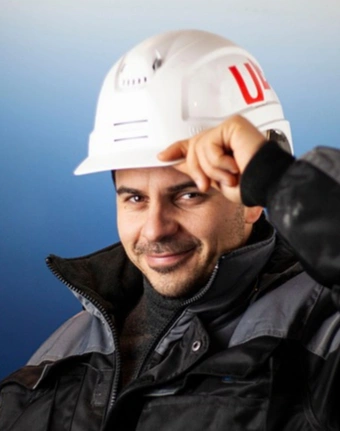
Mike Pattenson is a construction safety trainer who loves helping workers stay safe on the job. He explains safety in a simple, practical way so crews can easily understand what to do — and why it matters.
Mike Pattenson is a construction safety trainer who loves helping workers stay safe on the job. He explains safety in a simple, practical way so crews can easily understand what to do — and why it matters.
View All Articles