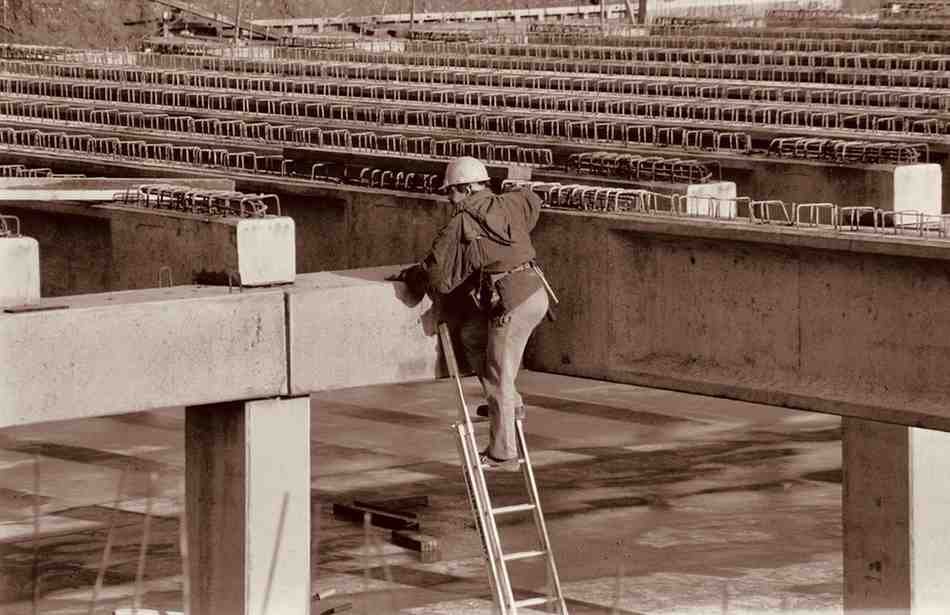
If you’ve ever climbed a ladder on a job site and thought, “This is the easy part,” you’re not alone. I can’t tell you how many guys I’ve met who treat ladders like they’re nothing—like they’re just another tool you grab, slap against the wall, and start climbing.
But if you’ve spent enough time on construction sites, warehouses, maintenance jobs, or even basic facility work, you already know this: ladders are one of the sneakiest fall hazards out there.
And eventually someone always asks me:
“Does fall protection training include ladder safety?”
It’s a simple question, but it’s one that trips people up. So let’s talk about it the way I’d explain it on a worksite—straightforward, real, and based on actual experience and the stuff I’ve seen over the years.
So… Does Fall Protection Training Cover Ladder Safety?
Short answer?
Yes—most of the time.
But not always, and not in the way people expect. And that’s where the confusion comes in.
Fall protection training today usually includes ladder safety because OSHA expects you to be trained on any fall hazard that applies to your job. And ladders? They’re practically everywhere.
But depending on the type of class you take—general fall protection, working at heights, PFAS (personal fall arrest system), or employer-specific—you might get a full ladder module… or just a short overview.
But let’s not get ahead of ourselves. Before we talk about what the training covers, let me tell you why ladder safety even matters.
When Ladder Safety Is Included vs Not Included in Training
| Fall Protection Course Type | Ladder Safety Included? | Notes |
|---|---|---|
| Basic Fall Protection Awareness | Sometimes | Depends on provider |
| Working at Heights Training | ✔ Yes | Usually included |
| PFAS (Harness & Anchor) Training | ✖ No | Focus is on equipment |
| Construction Safety Training | ✔ Yes | Includes ladders under “walking-working surfaces” |
| OSHA 10/30 Training | Sometimes | Instructor-dependent |
| Employer-Specific Training | ✔ Yes | Most employers combine them |
OSHA Requirements Related to Ladders vs Fall Protection
| Requirement | OSHA Standard | Applies to Ladders? | Applies to Fall Protection? |
|---|---|---|---|
| Training for fall hazards | 1926.503 | ✔ Yes | ✔ Yes |
| Ladder construction standards | 1926.1053 | ✔ Yes | ✖ No |
| Fall protection for heights above 6 ft (construction) | 1926.501 | ✖ No | ✔ Yes |
| Walking-working surfaces | 1910 Subpart D | ✔ Yes | ✔ Yes |
| Personal fall arrest systems | 1926.502 | ✖ No | ✔ Yes |
Why Ladder Safety Gets Ignored (But Causes Tons of Accidents)
I’ll be honest—when I first started working in safety, I thought ladder safety was too “basic” to be a real problem. Then I started actually looking at incident reports. Suddenly I’m seeing stuff like:
- Falls from 4 feet
- Slipping on a wet rung
- Ladders tipping because someone leaned too far
- Ladders not tied off
- People carrying tools while climbing
- Someone using an A-frame ladder like an extension ladder because it “looked fine”
And the best one:
Standing on the very top step because “it’s just for one quick cut.”
I’ve seen more ladder accidents that could have been prevented with a 15-second decision than accidents involving harnesses or lifelines. And that’s why more and more trainers include ladder safety when covering fall hazards. Because the truth is:
Ladders don’t look dangerous—but they are.
They’ve caused broken wrists, messed-up backs, head injuries, and even fatalities.
So yeah, ladder safety is kind of a big deal.
Common Causes of Ladder Accidents (Useful for awareness)
| Cause of Accident | % of Ladder Incidents (Estimated) | Notes |
|---|---|---|
| Incorrect ladder angle | 30% | Most workers skip the 4:1 check |
| Overreaching | 25% | Top reason for tipping |
| Damaged or worn ladders | 15% | Broken feet, bent rails |
| Slippery rungs | 10% | Mud, oil, and rain are common |
| Carrying loads while climbing | 10% | Violates 3-point contact |
| Improper ladder type | 10% | Using the wrong ladder for the job |
What Ladder Stuff Is Usually Included in Fall Protection Training?
If your course includes ladder safety, here’s what you’ll usually get. And trust me, even if you think you already know everything, some of this stuff surprises people.
1. How to Choose the Right Ladder
A ladder isn’t just a ladder. You’ve got:
- Step ladders
- Extension ladders
- Platform ladders
- Fiberglass vs aluminum
- Different weight ratings
Use the wrong one, and you’re already asking for trouble.
2. Ladder Inspection
Most people never inspect their ladders. They just open it up and hope for the best. But a proper inspection checks for:
- Cracks
- Loose rungs
- Broken spreaders
- Missing feet
- Slippery oil or mud
- Any bending or twisting
The number of damaged ladders still being used on job sites would shock you.
3. Proper Ladder Angle (The 4-to-1 Rule)
This one is simple but super easy to ignore:
For every 4 feet of height, the ladder base should be 1 foot out from the wall.
Climb a ladder that’s too steep or too shallow and you’re basically gambling with your spine.
4. Three Points of Contact
A reminder that you shouldn’t climb ladders with:
- Both hands full
- Tools dangling
- A box
- A bucket
- Or your lunch (yes, I’ve seen it happen)
5. How to Secure the Ladder
This part saves lives. A ladder should be:
- On stable ground
- Tied off at the top if possible
- Cleated or stabilized on the bottom
And absolutely not standing on mud, gravel, or a surface that acts like a skating rink.
6. Ladder Weight Limits
Some guys look at a ladder rating and say, “Oh, it’s fine.”
But they forget the weight rating includes:
you + your clothes + your tools + anything you’re carrying.
7. What NOT to Do
This is the part where the trainer tells the funny (or painful) stories:
- Don’t overreach.
- Don’t stand on the top step.
- Don’t climb with one foot on the ladder and one foot on the wall.
- Don’t set a ladder in front of a door.
- Don’t make “ladder sandwiches” where one guy holds it and another climbs.
But Here’s the Catch: Not All Fall Protection Classes Include This
Some courses focus strictly on:
- Harnesses
- Lanyards
- Anchor points
- Rescue plans
- Fall arrest systems
- Working on roofs or scaffolds
And in these courses, ladder safety might only get a quick mention—or none at all.
So if your job heavily involves ladders, you might need:
- A separate ladder safety class, or
- A combined working-at-heights class that includes ladders
Always check your course outline beforehand to make sure.
Why Employers Often Combine Ladder Training With Fall Protection
I’ve trained workers from all sorts of industries, from painters to HVAC techs to warehouse crews. And employers love combining ladder safety with fall protection for a few reasons:
1. It saves time and money.
Why schedule two classes when you can do one?
2. Ladder falls are still “falls.”
They fit perfectly under the fall hazard umbrella.
3. It gives workers a complete picture.
People understand fall hazards better when they see them as a group, not separate topics.
4. It reduces accidents.
When workers understand multiple types of fall risks, they make better decisions on the job.
5. It makes compliance easier.
OSHA doesn’t say how you must train—just that you must train. Combining courses checks multiple boxes at once.
The Parts of Ladder Safety That Make the Biggest Difference
Let me tell you something from experience:
Ladder accidents rarely happen because someone didn’t know the rules.
They happen because someone didn’t think the rules applied right now.
“That ladder looks stable enough.”
“I only need to reach a little bit more.”
“It’s only a quick job.”
“It’s fine, I’ve done this a hundred times.”
Famous last words.
What most workers don’t realize is that the most important part of ladder safety is decision-making—the moment right before you climb. And fall protection training tries to hammer this point home.
| Ladder Type | Best For | Typical Height Range | Common Hazards |
|---|---|---|---|
| Step ladder | Indoor tasks, short reach | 4–12 ft | Overreaching, unstable spreaders |
| Extension ladder | High work areas | 16–40 ft | Wrong angle, slipping rails |
| Platform ladder | Repetitive tasks | 4–10 ft | Overloading platform |
| A-frame ladder | General use | 4–12 ft | Standing on top step |
| Fiberglass ladder | Electrical work | Varies | Heavy weight |
| Aluminum ladder | Light-duty tasks | Varies | Conducts electricity |
What a Good Trainer Will Actually Teach You
Here’s the stuff I actually make workers practice during training:
✔ How to test ladder stability using your foot
A tiny push can tell you more than a manual.
✔ How to carry tools the right way
Tool belts exist for a reason.
✔ How to move your weight so you don’t tip the ladder
Because your body weight is the biggest factor in ladder balance.
✔ How to climb with confidence but not overconfidence
Confidence keeps you steady. Overconfidence puts you in the hospital.
✔ How to react if the ladder shifts
Move inward, not outward. Instinct says grab something—training tells you what to grab.
These are the practical things workers remember—not just the textbook stuff.
How to Know if Your Fall Protection Course Includes Ladder Safety
Here’s what I tell workers:
Don’t guess—just check.
Ask these simple questions:
- Does the syllabus mention “walking-working surfaces”?
- Does it list ladders, step ladders, or portable ladders?
- Does the class mention OSHA Subpart D or Subpart M?
- Is the course focused only on harnesses and anchors?
- Does the training provider offer ladder safety as a separate module?
If a course doesn’t mention ladders at all, assume it won’t be covered.
A Quick Reality Check: Most Ladder Accidents Are Preventable
If you’re reading this because you’re about to take a fall protection course, let me give you some friendly advice from someone who’s seen more than enough close calls:
Take the ladder part seriously.
It’s not boring—it’s lifesaving.
I’ve watched experienced workers fall because:
- Their boot was muddy
- The ladder shifted
- They leaned too far
- They rushed
- The ladder leg sank into soft dirt
- Someone else bumped the ladder
- They skipped checking the footing
Every single one of those could have been prevented.
Final Thoughts: Ladder Safety Is Fall Protection—Even if Some People Don’t See It That Way
If your fall protection training includes ladder safety, great—you’re getting a complete package.
If it doesn’t?
Ask for it. It’s worth the 30 extra minutes.
At the end of the day, ladders may seem simple, but they’re involved in way too many fall incidents to be ignored. And if you’ve ever seen someone slip off a ladder—even from just a few feet up—you know exactly why good training matters.
So the next time someone asks, “Does fall protection training cover ladder safety?”
You can confidently say:
“Most of the time, yes—and it should.”
Because whether you’re 4 feet up or 40 feet up, a fall is a fall. And you only get one body, so you might as well protect it.

Mike Pattenson is a construction safety trainer who loves helping workers stay safe on the job. He explains safety in a simple, practical way so crews can easily understand what to do — and why it matters.
Mike Pattenson is a construction safety trainer who loves helping workers stay safe on the job. He explains safety in a simple, practical way so crews can easily understand what to do — and why it matters.
View All Articles