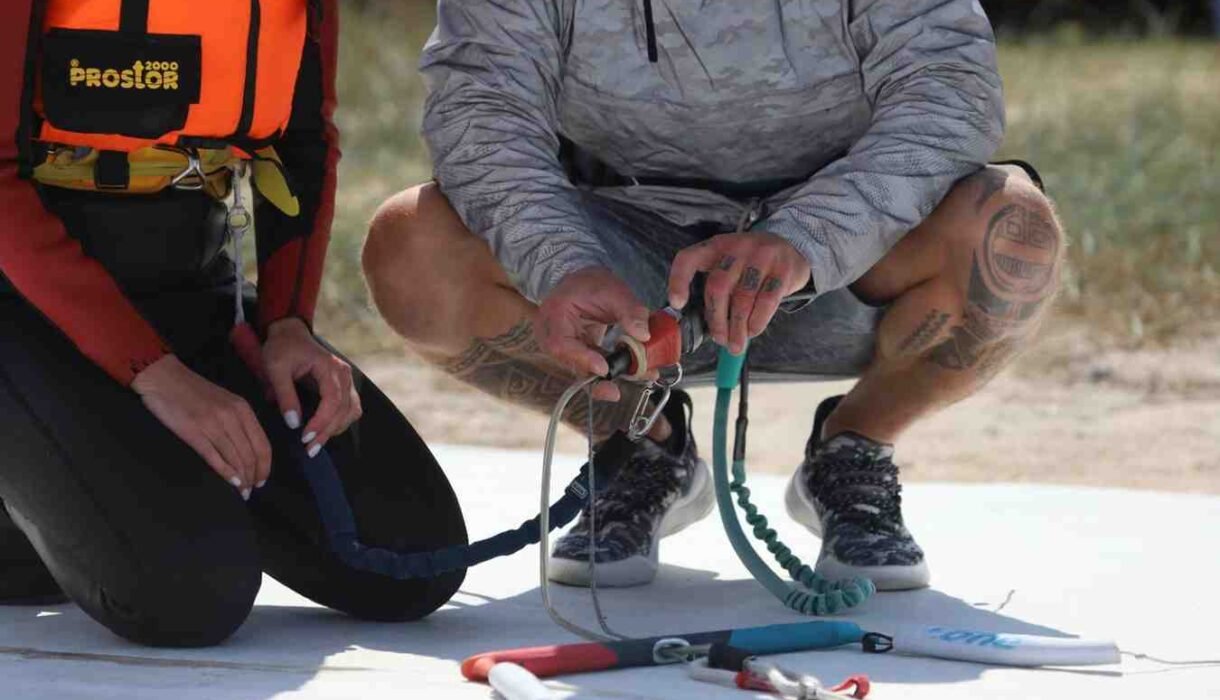
If you’re gearing up to take a fall protection training course—or maybe you already scheduled one—you might be wondering: “Are they going to make me inspect equipment during the test?”
You’re not the only one asking. Honestly, this is one of the top questions I hear every time I do a training session. Some folks worry because they’ve never inspected a harness before. Others worry because, let’s be real, some company-issued gear looks like it’s older than the jobsite itself.
So let’s talk about what really happens, what trainers actually look for, and why equipment inspection is more important than most people think.
I’ll walk you through this in a way that feels like you and I are standing on the jobsite during break, coffee in hand, talking through it—not some dry, overly formal explanation.


First Things First: Is Equipment Inspection Part of the Fall Protection Test?
Short answer: Yes—most of the time.
Long answer: It depends on the training provider, but I’ll tell you this straight up…
Any decent trainer is going to include equipment inspection somewhere in the test.
Maybe it’s a written question.
Maybe it’s a practical demo.
Maybe it’s the trainer handing you a harness and saying, “Tell me what’s wrong with this.”
Why?


Because OSHA requires workers to be trained by someone “competent,” meaning someone who knows how to spot hazards—including damaged equipment. They don’t want you clipping into something that could fail. And trainers definitely don’t want their names associated with a student who gets hurt because they never learned how to check their gear.
So yes, inspection usually shows up somewhere. But don’t stress—it’s usually not as complicated as people think.
Acceptable vs Unacceptable Conditions
| Condition | Acceptable | Unacceptable |
| Harness Webbing | Clean, smooth, no cuts, no burns, no fraying. | Cuts, frayed fibers, heat damage, chemical burns, stiffness. |
| Stitching | Tight, clean, no loose threads. | Loose or broken stitches, pulled threads, missing bar tacks. |
| D-Ring | Proper shape, no rust, no bending. | Bent, cracked, rusty, loose from harness. |
| Lanyard Hooks | Gate closes fully, locks properly, no rust. | Gate doesn’t close, lock doesn’t engage, cracks, corrosion. |
| Labels / Tags | Readable, intact, not faded. | Missing, faded, unreadable, torn. |
Why Trainers Care So Much About Equipment Inspection
After doing this for years, I’ll tell you the truth: most fall protection accidents don’t happen because workers don’t know how to “tie off.” They happen because someone used bad gear.
I’ve seen harnesses with:
- stitching that’s half torn out
- webbing that looks like a dog chewed on it
- D-rings that are bent
- lanyards with cuts deep enough to fit a coin
- labels faded so badly they might as well be blank
And more than once, I’ve seen workers shrug and say, “It still looks okay.”
That’s exactly why trainers include equipment inspection in the test. Even if you’ve been climbing steel for 20 years, inspection is something you have to get right every single time.


It tells the trainer, “Yep, this person knows when gear is safe—and when it’s time to throw it out.”
Common Fall Protection Equipment & What to Check
| Equipment | What to Check |
| Full-Body Harness | Webbing cuts or fraying, stitching damage, bent or rusted D-ring, leg/chest strap condition, working buckles, readable labels. |
| Shock-Absorbing Lanyard | Cuts on webbing, frayed stitching, torn shock pack, damaged hooks, weak or sticking gate, missing labels. |
| Self-Retracting Lifeline (SRL) | Cable or webbing damage, slow retraction, lock-up test, cracks on housing, hook gate function, worn swivel. |
| Anchorage Point | Rust, cracks, deformation, loose bolts, proper rating, certified anchor plate condition. |
| Connectors / Carabiners | Gate closure, locking mechanism, cracks, bends, corrosion, smooth operation. |
Where Equipment Inspection Shows Up in the Written Test
Most written tests include at least a few questions on equipment inspection. Don’t expect anything super technical. They’re checking basic competency.
Here are the types of questions you might see:
- “When should a harness be removed from service?”
- “Which of the following conditions makes a lanyard unsafe?”
- “What should you check before using fall protection equipment?”
- “True/false: A harness with a missing label is acceptable.”
Sometimes they include pictures of damaged gear and ask you to spot the problem. You don’t have to be a harness engineer—you just need to know what isn’t safe.
If you’ve never looked closely at harness stitching or buckles before, this part can catch you off guard. But with even a little practice, it becomes pretty simple.
Where It Shows Up in the Practical Test
Now here’s the part people really get nervous about—the hands-on portion.
Almost every fall protection course includes a practical evaluation. And that usually means:
1. Inspecting a Harness
Most trainers ask you to walk them through a basic inspection. Something like:
- “Check the D-ring.”
- “Check the webbing.”
- “Show me the stitching.”
- “Are the buckles working?”
- “Any fraying or damage?”
They’re not looking for you to catch one microscopic loose thread. They want to see you understand how to spot obvious damage that could cause a fall protection failure.
2. Putting the Harness On Correctly
You’d be surprised how many folks struggle here. Twisted straps, leg buckles hooked wrong, chest straps too high or too low—I’ve seen it all.
Your trainer will watch how you:
- put it on
- adjust it
- secure the buckles
- check the fit
- keep straps flat and snug
Nothing in this part is meant to trick you. They just want to ensure you can wear the harness safely.
3. Inspecting a Lanyard or SRL
You may be asked to check:
- the hooks
- the gate
- the cable or webbing
- any kinks
- any cuts
- rotation of the swivels
The trainer might even hand you a piece of damaged gear on purpose. I do this sometimes—I want to see whether someone catches the issue or completely misses it.
4. Spotting Defects on an Anchor Point
Sometimes the test includes a quick scenario like:
- “Would you tie off here?”
- “Is this anchor point acceptable?”
Again, it’s not about memorizing every regulation. It’s about knowing what looks suspicious or unsafe.
What Students Usually Get Wrong
After years of watching people test, I can tell you the most common issues:
❌ Missing torn stitching
People look at the webbing but don’t notice the thread itself.
❌ Ignoring labels or tags
If a label is unreadable or missing, that gear is out of service.
❌ Not checking the D-ring
Bent? Rusted? Pulled out of the harness? It’s unsafe.
❌ Rushing through the inspection
Some students “eyeball” everything without actually touching the harness.
❌ Wearing the harness too loose
If you can fit half your arm through the leg straps, something’s wrong.
❌ Hooking lanyards to the wrong point
If you’ve ever seen someone clip their lanyard to a belt loop, you know what I mean.
These aren’t things that cause an automatic fail—but they are things your trainer will correct and possibly retest you on.
What Happens If You Miss Something or Don’t Know How?
Good news: you’re not going to get kicked out of class for missing one damaged stitch.
Fall protection training isn’t a “gotcha” exam. The whole point is to make sure you learn.
If you miss something, most trainers will:
- stop you
- show you the issue
- explain why it matters
- ask you to do it again
If you really struggle with equipment inspection, they may give you extra coaching or ask you additional questions before giving you a certificate.
Trainers want you to pass—but they want you to pass safely.
A Simple Method to Remember for Harness Inspection
If you want to feel confident walking into the test, here’s the method I teach new workers:
Top-to-Bottom Check
Start at the top of the harness and work your way down:
- D-ring – bent, cracked, rusted, loose?
- Shoulder straps – cuts, burns, fraying, stretching?
- Chest strap – buckles working? not too high or low?
- Stitching – loose threads? broken stitches?
- Webbing – cuts, glazing, chemical damage, stiffness?
- Leg straps – buckles working? adjusted properly?
- Labels/Tags – present and readable?
Do that consistently, and you’re already ahead of most people taking the test.
Why This Matters More Than You Think
Here’s something workers don’t always think about:
Your gear is the only thing standing between you and the ground if you fall.
A harness isn’t supposed to “just look fine”—it needs to actually be fine.
And when you’re hanging 10, 20, even 100 feet in the air, you want to be absolutely sure that the webbing isn’t torn and the lanyard isn’t damaged.
That’s why trainers make inspection part of the test.
That’s why OSHA requires competent training.
And that’s why you want to get this part right.
What You Can Do to Prepare (Without Overthinking It)
You don’t need to spend hours studying. Here’s what really works:
1. Practice inspecting your own gear.
Touch it, look at it closely, check it just like you would on the job.
2. Watch a 5-minute video on harness inspection.
That alone clears up most confusion.
3. Pay attention during training.
Trainers usually demonstrate inspection step-by-step.
4. Ask questions.
There’s no shame in asking, “Is this acceptable?”
Trainers love when people actually care about getting it right.
5. Relax during the test.
You’re not being graded like a school exam.
You’re demonstrating that you can keep yourself—and your crew—alive.
Final Thoughts: Yes, Equipment Inspection Is Part of the Test… and That’s a Good Thing
If you’re still worried about the inspection part of your fall protection test, take a breath. This is actually one of the easiest parts of the whole course. You’re not being asked to rebuild a harness or memorize every OSHA regulation.
You’re simply being asked to show that you can look at gear and decide whether it’s safe to use. And honestly, that’s something you’ll be doing every day on the job anyway.
Trainers aren’t trying to trick you—they’re trying to send you home safe.
Just remember the top-to-bottom method, take your time, and treat every piece of gear like it’s the thing that’s going to save your life one day. Because it might.
And if you’re preparing to take fall protection training soon or looking for an online refresher, don’t hesitate to check out our guides, resources, and recommendations.
You’ve got this. Stay safe up there.
Mike Pattenson is a construction safety trainer who loves helping workers stay safe on the job. He explains safety in a simple, practical way so crews can easily understand what to do — and why it matters.
Mike Pattenson is a construction safety trainer who loves helping workers stay safe on the job. He explains safety in a simple, practical way so crews can easily understand what to do — and why it matters.
View All Articles