

If you’re about to take fall protection training, I can guess what’s running through your mind: “Is this training hard?”“What if I don’t understand the technical stuff?”“Will the test be difficult?” Don’t worry—you’re not the only one asking those questions. Every single class I’ve ever sat in or helped with had at least one person

If you’re thinking about becoming a fall protection instructor, let me tell you this right away: it’s one of the most rewarding roles you can take on in the safety world. And I say that from experience. I remember being on job sites watching people climb ladders without checking their harness, hooking onto anchor points

If you’ve ever looked at a short platform, a low step, or a 3–4 ft drop and thought, “Come on… do I really need training for this?” — you’re not alone. This is one of the most common questions workers ask, especially those who are just starting in construction, warehouse work, maintenance, or manufacturing. And

Most people don’t think about their fall protection training certificate until the day a supervisor asks for it—or worse, when an OSHA inspector shows up. And suddenly, the panic sets in: “Wait… does fall protection training expire? Do I need to retake it? Can I still work if it’s expired?” If you’ve ever found yourself

If someone has ever told you, “You need to pay for your own fall protection training before we hire you,” let me stop you right there. Because this is one of the biggest misunderstandings I see in construction, maintenance, warehousing, roofing, telecom work—pretty much anywhere people climb, work at heights, or use harnesses. Let’s get

Fall protection isn’t something you learn “when you get a chance.” It’s one of those safety topics that has to happen at the right time—because the risks are real, the rules are strict, and OSHA doesn’t leave much room for guessing. Let’s break this down in a simple, conversational way so you know exactly when
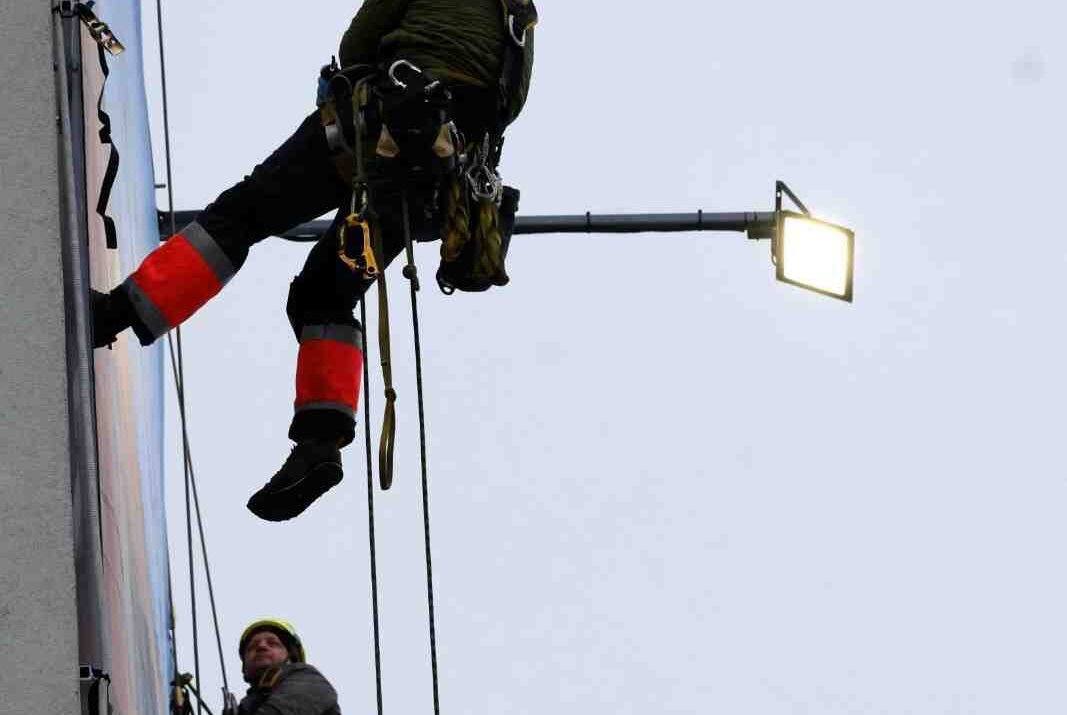
If you’ve ever tried to make sense of OSHA’s regulations, especially the ones about fall protection, you probably know how overwhelming they can feel. The rules are written like legal documents, scattered across different sections, and full of references that point you to even more sections. And when someone asks: “What exactly does 29 CFR

If you’ve never taken fall protection training before, you’re probably wondering what exactly happens in that class. Is it just a bunch of rules? Do they make you wear the harness? Do you have to take a test? And most importantly — will it actually help you stay safe on the job? Fall protection training
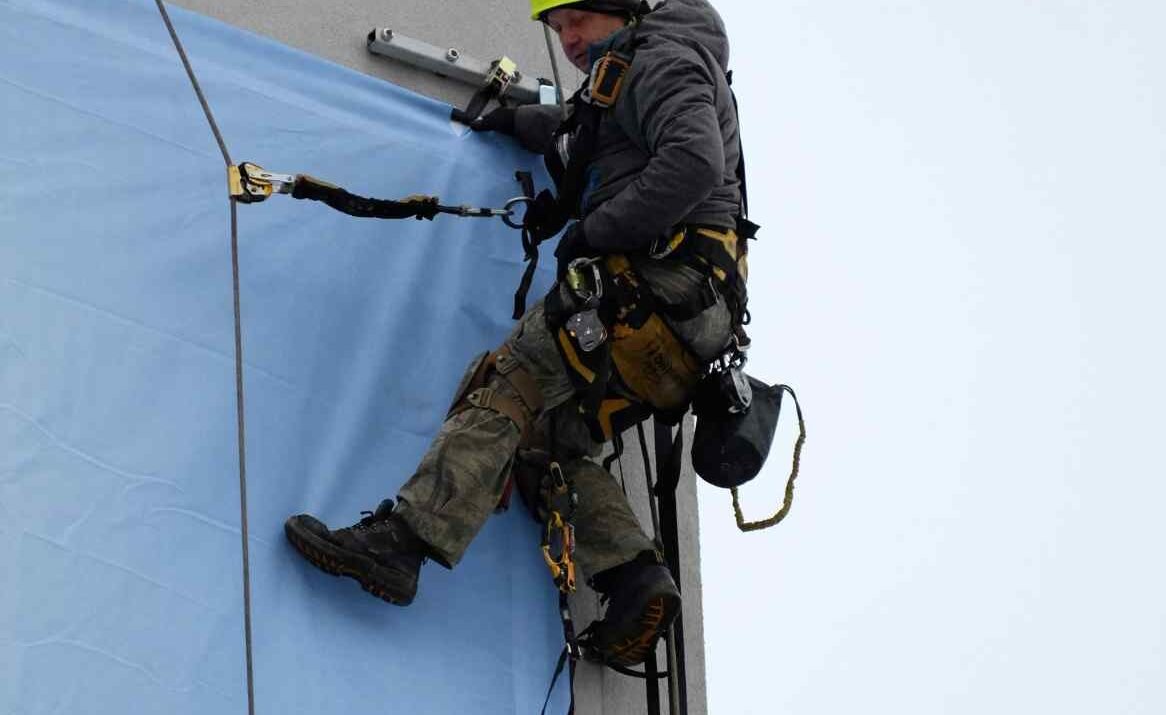
If you’ve ever wondered whether OSHA 30 counts as fall protection training, you’re not alone—far from it. This is one of the most common misunderstandings I see on job sites, in training rooms, and even during toolbox meetings. Many workers proudly hold an OSHA 30 card and assume, “I’m good. I’m certified for fall protection,