If you want to become certified in fall protection, it is good choice—you’re doing something great for your safety and your career.
A lot of people don’t think about training until their employer brings it up. But you’re here early, trying to understand how it all works, and that already puts you ahead.
After years of training construction crews, warehouse teams, roofers, and tower techs, I can tell you this: getting certified isn’t hard. You just need a clear, simple guide to follow.
And that’s exactly what you’re about to get. Let’s walk through it together.
What Fall Protection Certification Really Means
First, let’s clear up a common misunderstanding.
A lot of workers say, “I need an OSHA fall protection certification.”
Here’s the truth: OSHA doesn’t issue certifications. Instead, they require employers to make sure their workers are trained and evaluated.
Your fall protection “certification” simply means:
- You completed OSHA-compliant training.
- A qualified instructor evaluated you.
- You received a certificate or wallet card as proof.
That’s it. No government exam, no long application process—just proper training.
Read Related Article: 6 Best Places to Get Fall Protection Training
Do You Actually Need This Training? (Probably Yes)
If your job involves working at heights, climbing, using ladders, or even just being around edges or open sides, then you need training. I’ve seen workers get confused because the training requirements differ depending on the industry.
Here’s the easy version:
- Construction: Training required at 6 feet.
- General industry (warehouses, manufacturing, HVAC, etc.): Training required at 4 feet.
- Roofing, scaffolding, tower work: Training is non-negotiable.
- Working from aerial lifts: Required.
- Using any fall arrest system: Required.
If you’re unsure, the safest assumption is: If you can fall, you need fall protection training.
Read Related Article: Does Fall Protection Training Count in Other Countries?
Watch to Learn More
Step 1: Choose the Right Type of Training
Not all fall protection training is the same. I always tell people to start with the level that matches their work.
Here are the most common types:
1. Basic Fall Protection Training
Perfect for most workers. Covers:
- Identifying fall hazards
- Ladder safety
- Guardrails
- Harness use
- Lanyards and anchor points
- How to inspect your equipment
If you work in construction or general industry, this is what you need.
2. Competent Person Fall Protection Training
This is a more advanced class often required for:
- Foremen
- Safety officers
- Supervisors
It teaches you how to oversee fall protection programs, not just use equipment.
3. Rescue Training
Required when your job may involve rescuing someone after a fall. Tower techs, for example, need this.
So, start by choosing the level that fits your needs.
Types of Fall Protection Training You Can Choose
| Training Type | Who Needs It | Typical Duration | Includes Hands-On? | Approx. Cost | Certificate Validity |
|---|---|---|---|---|---|
| Basic / Authorized Person Training | Workers exposed to fall hazards, general laborers, warehouse staff, construction helpers | 2–4 hours | Yes | $75–$250 | 1–2 years (or as needed) |
| Competent Person Fall Protection Training | Supervisors, foremen, safety officers responsible for identifying hazards and enforcing rules | 1–2 days | Yes | $300–$600 | 2 years (best practice) |
| Fall Rescue Training | Tower workers, telecom, riggers, emergency responders | 1 day | Yes | $300–$900 | 1–2 years |
| Refresher / Re-Certification | Anyone previously trained who needs updates or re-evaluation | 1–3 hours | Sometimes | $50–$150 | 1 year (best practice) |
| Online Fall Protection Awareness | Beginners, workers needing theory only | 1–2 hours | No | $35–$100 | Not valid alone (needs hands-on) |
Read Related Article: Does Fall Protection Training Transfer Between Jobs?
Step 2: Decide Between Online, Classroom, or On-Site Training
Let’s talk about options, because I’ve trained workers in all three settings.
Online Training
Good for:
- First-time learners who want flexibility
- Workers who want the basics
BUT—here’s my professional warning: Online training alone isn’t enough when your job requires hands-on skills.
You still need practical evaluation.
Classroom (Instructor-Led) Training
This is the most complete option. Great if you:
- Want hands-on practice
- Need to use fall protection equipment
- Work in construction or roofing
On-Site Training
My personal favorite because it’s tailored to your actual jobsite. I’ve done dozens of these sessions. Workers learn better when the examples come from the real environment they work in every day.
| Training Format | Pros | Cons | Cost Range | Certificate Valid? |
|---|---|---|---|---|
| Online Training | Flexible, self-paced, low cost, easy to access anywhere | No hands-on training; not valid alone for jobs requiring equipment use | $35–$100 | Valid only for awareness; hands-on evaluation still needed |
| Classroom (Instructor-Led) | Includes hands-on practice, instructor feedback, OSHA-compliant testing | Fixed schedule, may require travel, usually more expensive | $75–$250 | Yes — fully valid for most jobs |
| On-Site Training | Customized to your jobsite, most realistic, team training, real equipment used | Usually arranged by employer, may require more coordination | $150–$600 (often free when employer provides) | Yes — considered the best and most compliant option |
Read Related Article: Is Your Fall Protection Training Valid in Another State?
Step 3: Pick a Proper Training Provider (This Part Matters!)
Not all training providers are equal.
I’ve had workers show up saying, “Sir, my last training was only 20 minutes, no hands-on, and they emailed the certificate.” That’s a huge red flag.
A legit training provider should offer:
- A qualified instructor
- OSHA-compliant curriculum
- Hands-on demonstration
- Practical evaluation
- Written test
- A certificate and wallet card
If the training is too cheap or too quick, be suspicious.
Step 4: Complete the Training Modules
Now, let me walk you through what you’ll actually learn. This is the part most people worry about, but honestly, it’s mostly common sense plus equipment practice.
Here’s what a real fall protection class covers:
1. Fall Hazard Recognition
You’ll learn:
- What a fall hazard looks like
- Why “just one quick step” is dangerous
- Real-life stories (I share many during training—the memorable ones stick!)
2. Equipment Use and Inspection
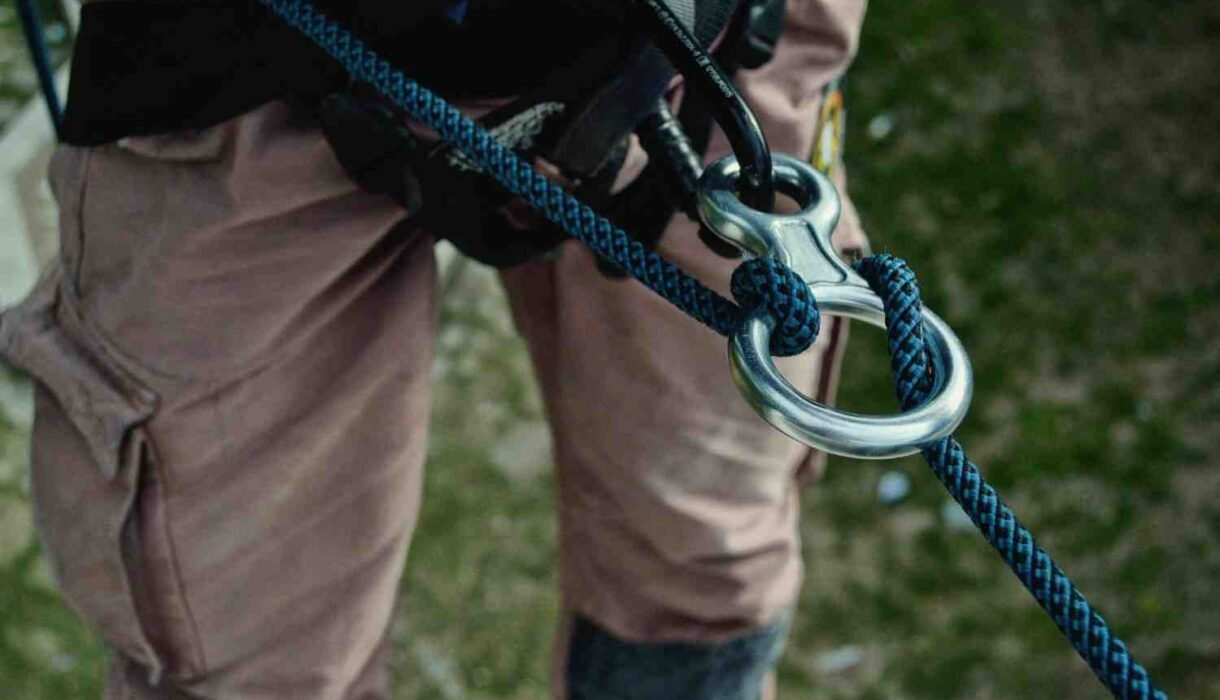
You’ll get hands-on practice with:
- Full-body harnesses
- Lanyards
- SRLs (self-retracting lifelines)
- Anchor points
One of my favorite parts of training is teaching workers how to inspect a harness. Most people don’t realize how many hidden issues—fraying, stitching damage, rust—can make equipment unsafe.
3. Proper Wearing and Adjusting of a Harness
I’ve seen so many workers wearing a harness incorrectly that this section alone is worth the training. You’ll learn how to:
- Adjust leg straps
- Position the D-ring
- Size the chest strap
4. Calculating Fall Distance
This surprises people. You’re not just clipping in anywhere—you need enough clearance to avoid hitting the ground. We usually practice calculating:
- Free fall
- Deceleration distance
- D-ring shift
5. Ladder and Scaffold Safety
Even if you’re not climbing every day, this section is eye-opening.
6. Final Written and Hands-On Evaluation
Don’t worry—these aren’t meant to trick you. If you paid attention, you’ll pass.
Step 5: Pass the Certification Exam
Most programs include:
- A written test
- A practical hands-on evaluation
If you’re nervous about the test, here’s my advice based on years of seeing people pass and fail:
- Pay attention during demonstrations
- Ask questions (seriously, instructors appreciate it)
- Don’t rush through equipment inspections
- Don’t worry—nobody expects you to be perfect
The goal is safety, not perfection.
Step 6: Receive Your Certificate (And Wallet Card)
Once you pass, you usually get:
- A printed certificate
- A small wallet card
- Sometimes an electronic copy
I always tell workers: Take a photo of your certification and keep it on your phone. You wouldn’t believe how many times people lose their cards.
How to Get Fall Protection Certified for Free
Most workers don’t realize that you can actually get fall protection certified without spending anything.
Yes—free. A lot of people assume they need to pay $100 or $200 for a course, but in many cases, you can get it at absolutely no cost if you know where to look.
I’ve seen many workers take advantage of these options throughout the years, and you can do the same.
Ask Your Employer
The easiest and most common way to get free fall protection training is simply through your employer.
OSHA requires companies to train workers who are exposed to fall hazards, and the training must be provided at no cost to the employee. That means your company should be paying for it, not you.
Whether you work in construction, roofing, warehousing, telecom, maintenance, or even HVAC, your employer is responsible for keeping you trained and safe.
If you’re unsure, ask your supervisor when the next fall protection class is scheduled—they’ll usually arrange it quickly because OSHA fines for untrained workers are hefty.
Union Training Programs
If you’re part of a union, you already have a big advantage. Many unions offer free safety training to their members, including fall protection.
I’ve worked with union groups that train their workers regularly because it keeps everyone safer and more compliant on the job.
Even non-members or apprentices can sometimes attend these free sessions, depending on the union.
How Long Is Your Certification Valid?
Technically, OSHA says retraining is needed “as necessary.”
Meaning:
- After an incident
- After a near miss
- When equipment changes
- When your job changes
- When an employer says so
Industry best practice:
- Refresher every 1–2 years
- Competent person training: every 2 years
From my experience, workers who refresh regularly become much better at spotting hazards.
Final Thoughts
Getting certified in fall protection isn’t complicated. You don’t need months of training or expensive programs. All you need is the right provider, a few hours of learning, and the willingness to take safety seriously.
And now? You already have the roadmap.
Whether you’re preparing for a new job, upgrading your skills, or just trying to stay compliant, you’re on the right track. Fall protection training doesn’t just make you safer—it makes you more employable. That’s a win-win.

Mike Pattenson is a construction safety trainer who loves helping workers stay safe on the job. He explains safety in a simple, practical way so crews can easily understand what to do — and why it matters.
Mike Pattenson is a construction safety trainer who loves helping workers stay safe on the job. He explains safety in a simple, practical way so crews can easily understand what to do — and why it matters.
View All Articles