
If you’ve ever signed up for fall protection training and found yourself staring at your footwear wondering, “Do I really need steel-toe boots for this?” — trust me, you’re not alone. I’ve had people walk into my class wearing everything from muddy construction boots to clean white sneakers to slide-on sandals (yes… sandals). And every
If you’ve ever climbed a ladder on a job site and thought, “This is the easy part,” you’re not alone. I can’t tell you how many guys I’ve met who treat ladders like they’re nothing—like they’re just another tool you grab, slap against the wall, and start climbing. But if you’ve spent enough time on

If there’s one question I hear all the time—especially from younger folks trying to get into construction or the trades—it’s this one: “What age do I need to be before I can take fall protection training?” And honestly?I get why people ask it. A lot of teenagers are excited to jump into the trades. Some
If you’ve ever signed up for fall protection training, or your boss told you that you “need to take the class,” you’ve probably wondered something that a lot of workers quietly ask: “Does fall protection training include first aid or rescue?” It’s a fair question. I mean, when someone falls, the story doesn’t end at
If you’ve ever worked on a roof in the middle of a hot Arizona afternoon, you already know—fall protection isn’t something you take lightly. Between the blistering sun, metal rooftops that heat up like a frying pan, and strong desert winds, it only takes one small mistake for things to go bad fast. I’ve walked
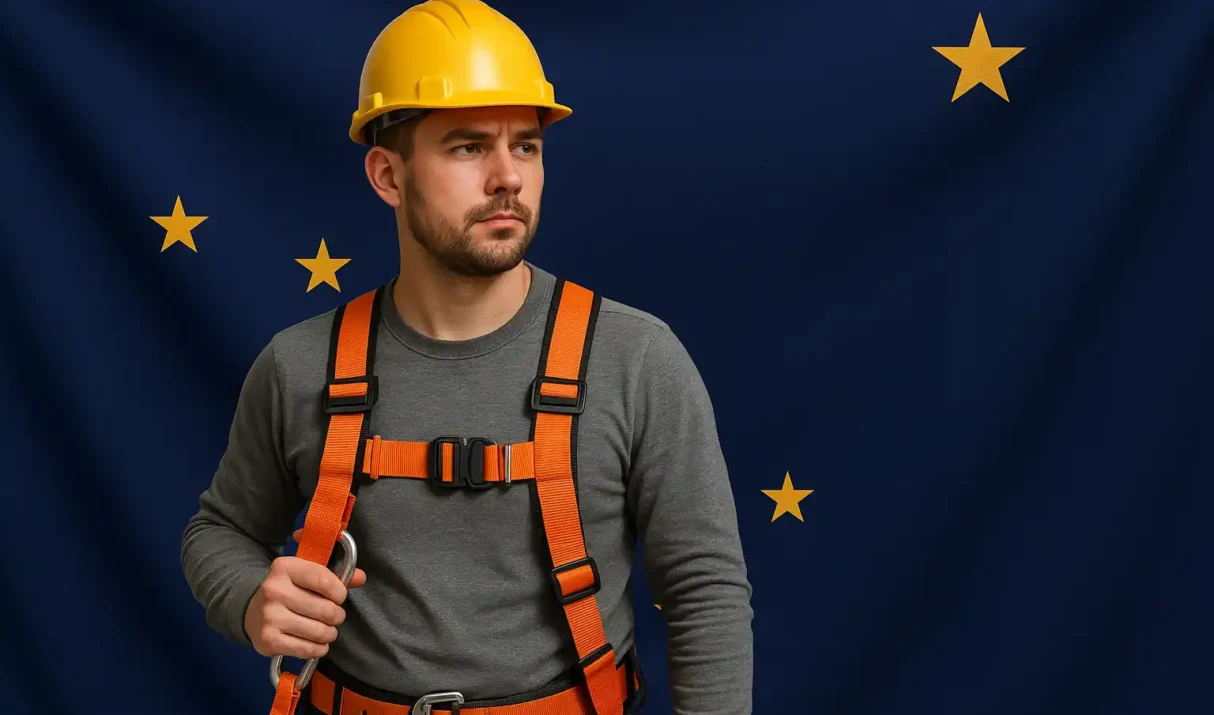
If there’s one thing anyone working at heights in Alaska quickly learns, it’s this: our environment doesn’t play around. Whether you’re on an icy scaffold in Anchorage, a metal platform out in the North Slope, or a windy rooftop near Juneau, conditions up here turn a simple task into something a lot more serious. You’re

Yes — fall protection training can absolutely help you get a job. It doesn’t guarantee employment, but it gives you a real advantage over applicants who don’t have it. Employers in construction, roofing, warehousing, telecom, oil & gas, and maintenance prefer hiring workers who already understand the basics of working safely at heights. Having this

If you’ve just finished your fall protection training, chances are you walked out with a certificate in your hand (or a PDF in your email) and thought, “Okay… now what? Do I keep this? Does my employer need it? Who’s actually responsible for storing this thing?” You’re not alone. This question comes up in almost

Yes. You need fall protection retraining when new equipment changes how you use, adjust, anchor, inspect, or understand your fall protection system. OSHA requires retraining any time new equipment makes your previous training outdated, or when workers show uncertainty in using the new gear. When Retraining Is Required You must be retrained when: ✔ New