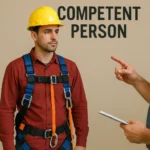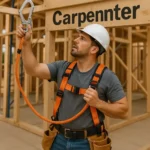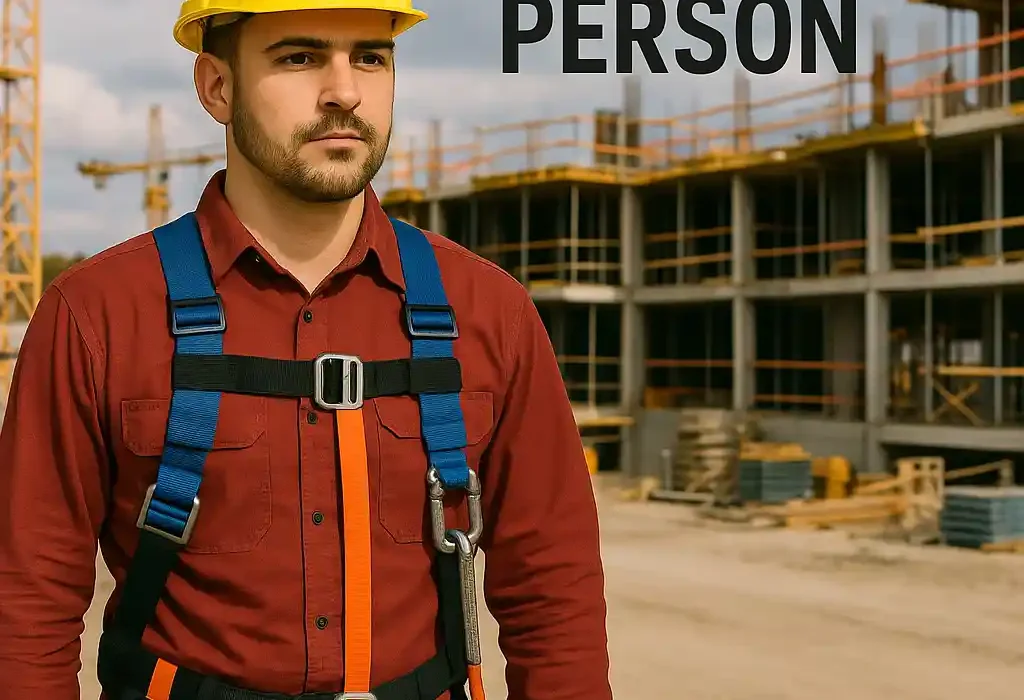
Let’s be honest—being the “competent person” for fall protection isn’t for everyone. Some folks think it’s a fancy title or a quick pay bump. Others think it’s just checking boxes and carrying a clipboard.
But anyone who’s actually done the job knows better.
You’re the one spotting hazards before they send someone to the hospital.
You’re the one telling a foreman to “stop the work” even when tensions are high.
You’re the one workers trust—sometimes with their lives.
And that’s not a role you hand to the wrong person.
I’ve worked with great competent persons… and others who honestly shouldn’t have had the title at all. The difference isn’t just knowledge—it’s the traits, the instincts, the mindset you bring to the job.
So whether you’re choosing someone for the role or thinking of stepping into it yourself, here are the traits every fall protection competent person has to have—straight talk, no corporate fluff.
| Trait | Why It Matters on the Jobsite |
|---|---|
| Real-world experience | Helps spot hazards and understand risks that aren’t obvious from training alone |
| Hazard awareness | Detects hidden risks like weak anchor points or worn gear |
| Confidence to speak up | Can stop unsafe work even when it’s uncomfortable |
| Crew respect | Workers follow someone they trust, not someone with just a title |
| Good judgment | Makes quick, calm decisions when things go wrong |
| Accountability | Owns the role and takes responsibility for safety |
| Equipment knowledge | Identifies defects before gear fails |
| Communication skills | Explains safety in simple, clear terms workers understand |
| Genuine concern for crew | Drives better decisions and safer practices |
1. Real-World Experience (Not Just Book Smart)
Look, you can memorize OSHA rules all day long. You can pass a classroom test with flying colors. But if you’ve never clipped into a lifeline, never felt that slight pull of your lanyard, never walked a beam in the wind, then you’re missing the part that really matters.
A competent person isn’t someone who knows the rules—they’re someone who knows why the rules exist.
I’ve seen people fresh out of training who didn’t even notice a faulty anchor point because they had no clue what one looks like in the real world. Then you have guys who’ve been on job sites for years who can spot a hazard from across the site without even thinking.
Experience teaches you something the classroom never can: your instincts.
2. Sharp Eyes for Hazards (The “I Notice Everything” Superpower)
Some people just see more. I don’t know if it’s a blessing or a curse, but a competent person needs this superpower.
Fall hazards don’t always scream at you. Sometimes they’re sneaky:
- A guardrail that’s bent just enough to fail.
- A harness with a tiny cut on the webbing.
- A ladder that isn’t tied off.
- A wet surface from a morning drizzle.
- Someone working six feet away from an unprotected edge “just for a minute.”
I once worked with a guy who could be talking about his weekend bbq and suddenly stop mid-sentence because he spotted someone clipped into the wrong anchor.
That’s the kind of person you want: someone whose brain is always quietly scanning.
3. Confidence to Speak Up (Even When It’s Not Easy)
This is a big one.
You can know everything there is to know, but if you’re afraid to speak up, you’re not a competent person—you’re a spectator.
The role requires you to be the one who says:
- “Stop the work.”
- “That’s not safe.”
- “You need to fix that before going up.”
- “I know you’re in a rush, but we’re not skipping this.”
And trust me… it gets awkward.
I’ve had to call out guys twice my size. I’ve had to correct supervisors. I’ve had to tell someone their brand-new harness is actually not safe to use.
But if you can’t push past the awkwardness, someone could get hurt.
A competent person needs a backbone, not just knowledge.
4. Respect From the Crew
Here’s something that doesn’t get talked about enough:
Workers actually have to listen to the competent person.
Respect isn’t automatically given just because the title says “competent.” It’s earned.
People respect someone who:
- works hard
- knows the job
- doesn’t hide in the office
- doesn’t play favorites
- actually cares about them
You can’t be a competent person if the crew thinks you’re just another safety cop with a clipboard. They need to feel you’re on their side—and when they do, they’ll follow your lead without you having to be bossy.
5. Good Judgment Under Pressure
Working at heights means you don’t get to panic.
A competent person stays steady—even when things go sideways.
Imagine these situations:
- Sudden wind gusts shaking a lift
- A worker unsure of their anchor point
- A piece of equipment that suddenly looks questionable
- A scaffold that doesn’t look as secure as it should
- A near miss that rattles the team
In moments like these, the competent person can’t freeze.
They need to make smart decisions fast.
Good judgment isn’t something you can teach easily—it’s something that’s shaped by experience, awareness, and a cool head.
6. Accountability—Owning the Role Fully
When you’re the competent person, you carry the weight of your decisions.
You’re the one who signs off equipment.
You’re the one who says the site is safe to work.
You’re the one who tells people when something’s wrong.
You’re the one who shuts down unsafe operations.
And with that authority comes responsibility.
There’s no room for the “That’s not my problem” attitude. A good competent person owns everything that falls under their role—even when it’s inconvenient.
7. Solid Equipment Knowledge (And Knowing When Something’s Off)
You don’t need to be a harness engineer. But you do need to know gear well enough to look at it and instantly know:
- if something’s worn
- if a buckle is cracked
- if stitching is loose
- if a connector has damage
- if a lifeline is past its usable life
I’ve seen harnesses passed as “good” by people who clearly had no clue what they were looking at.
A competent person doesn’t guess. They know.
8. Communication Skills (Explaining Things in “Normal Human Language”)
I know people who know everything—every regulation, every measurement, every requirement—but they can’t explain things without sounding like a robot reading a legal document.
That doesn’t work on a jobsite.
A competent person has to talk to everyone: new workers, experienced workers, foremen, sometimes even clients.
If you can’t explain why something is unsafe in a clear, simple, straight-to-the-point way, people won’t follow you.
Instead of saying: “Ensure you’re maintaining adequate anchorage with a rated connection point.”
Say: “Clip in here, not there. That spot won’t hold you if you fall.”
See the difference?
9. Actually Caring About the Crew
This one might sound soft, but it’s one of the most powerful traits.
A competent person should genuinely care about the people working around them.
Like really care—enough to:
- stop someone from doing something risky
- remind workers to double-check gear
- make sure new hires are comfortable
- ensure nobody feels rushed into unsafe decisions
The best competent persons I’ve worked with didn’t just know their stuff—they actually wanted people to go home safe. You could feel it.
Workers know when you care. They also know when you’re just going through the motions.
10. Bonus Traits That Really Make a Difference
Some traits aren’t required, but they make the role much more effective:
- Patience – especially with beginners who ask 101 questions.
- Staying updated – new gear comes out, new rules change things.
- Approachability – people need to feel comfortable asking you things.
- Consistency – you can’t be strict one day, relaxed the next.
- Teaching ability – you’ll be explaining things a lot.
These extra traits turn a “good enough” competent person into an exceptional one.
Red Flags: People Who Should NOT Be a Competent Person
Just as important: Here are traits you do NOT want in a competent person.
- Afraid to confront unsafe behavior
- Too lenient, too friendly, or too “chill”
- Blindly trusts equipment without inspecting
- Only cares about speed, not safety
- Doesn’t take responsibility
- Easily distracted
- Cuts corners
- Thinks they “already know everything”
If someone on your crew fits these, don’t even think about giving them the title.
How Employers Should Choose the Right Person
Here’s the simple version:
Don’t choose based on:
- who’s oldest
- who’s loudest
- who wants the pay bump
- who needs a title
- who complains the least
- who looks good on paper
Choose based on:
- respect
- real jobsite experience
- hazard awareness
- good judgment
- personality
- maturity
- communication
- the ability to take charge
A certificate doesn’t make someone competent. The person’s traits do.
“Must-Have Traits” vs “Red-Flag Traits”
Shows the contrast between qualities of a good competent person and someone who shouldn’t have the role.
| Good Traits (Green Flags) | Not Fit for the Role (Red Flags) |
|---|---|
| Speaks up | Afraid to confront unsafe behavior |
| Observant | Easily distracted |
| Accountable | Says “not my problem” |
| Has experience | Only book-smart, no field time |
| Calm under pressure | Panics or shuts down |
| Respected by crew | Crew ignores or avoids them |
| Consistent | Inconsistent or unpredictable |
| Knows equipment | Just “guesses” if gear looks okay |
Final Thoughts: Competent Person Isn’t Just a Title—It’s a Mindset
If you have someone on your crew who has these traits, you’re lucky.
If you’re trying to step into this role yourself, start building these habits now.
Being a competent person isn’t about being perfect.
It’s about being consistent, aware, responsible, and brave enough to do the hard things that keep everyone safe.
Because at the end of the day… fall protection isn’t about equipment.
It’s about people.
And the competent person is the one making sure those people go home safe every single day.
Mike Pattenson is a construction safety trainer who loves helping workers stay safe on the job. He explains safety in a simple, practical way so crews can easily understand what to do — and why it matters.
Mike Pattenson is a construction safety trainer who loves helping workers stay safe on the job. He explains safety in a simple, practical way so crews can easily understand what to do — and why it matters.
View All Articles